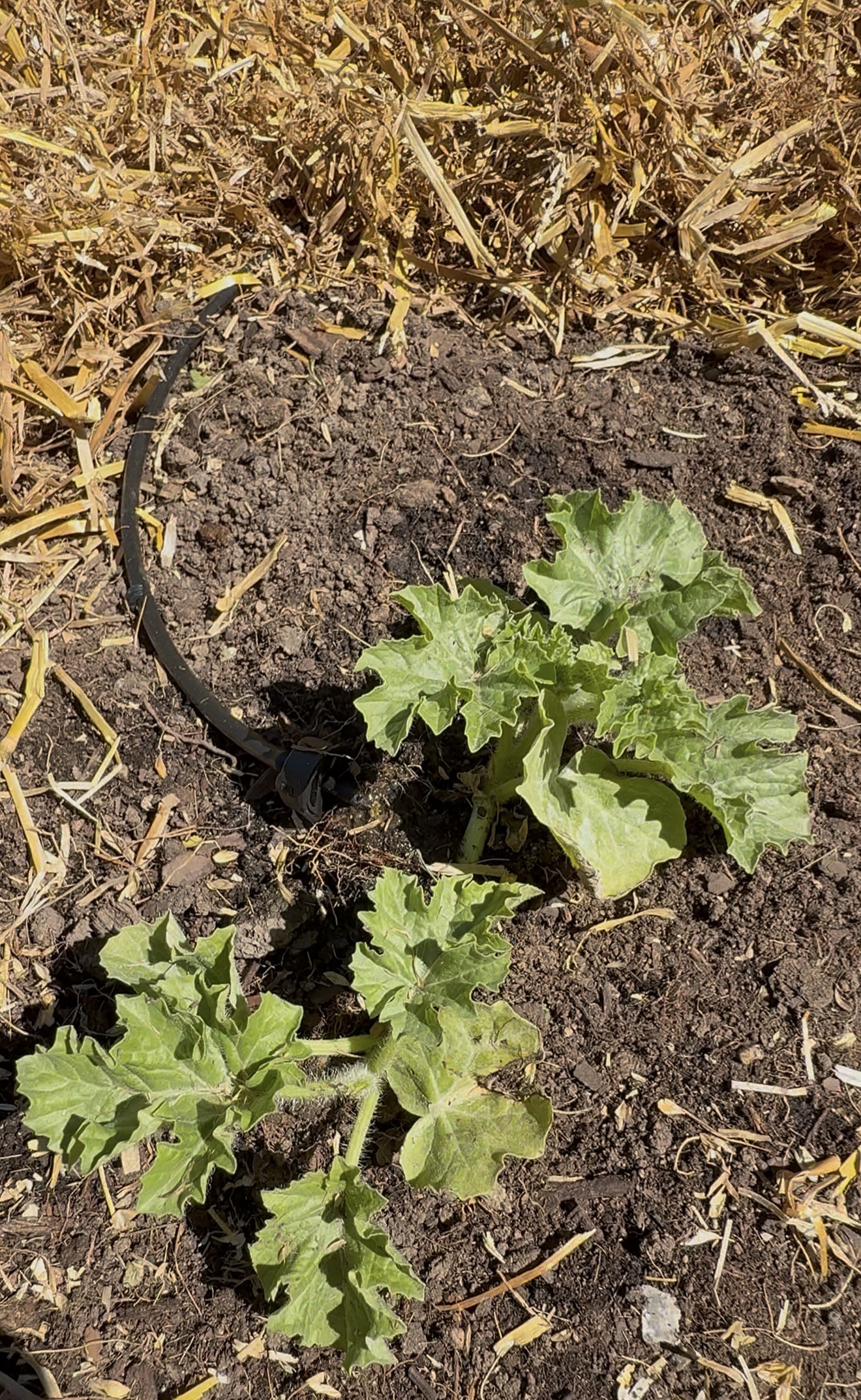
Impact of Drip Irrigations on Plant Root Development and Biotic and Abiotic Aspects of Soil
DOI:
https://doi.org/10.32469/aj.v24.66Abstract
Drip irrigation is widely recognized as one of the most important technological advances in modern agriculture, partly due to its ability to maximize water use efficiency and sustain crop production in arid environments. However, the dominating framework surrounding drip irrigation is mostly focused on engineering efficiency and crop yield, overlooking the biological consequences of the highly controlled environment created. This monograph reframes drip irrigation not only as a water delivery system, but also as an environmental selective pressure that influences plant root architecture, soil composition, and microbial community dynamics. Combining current literature, we examine how localized and predictable wetting zones alter root depth, density, and activity across multiple crop systems, while simultaneously reshaping the soil microbiome and nutrient cycling processes. Evidence may suggest that drip irrigation can influence soil salinity, heavy metal distribution, and microbial biodiversity depending on irrigation practices and water quality. While these changes may improve crop productivity and sustainability short term, the hidden cost is reduced ecological heterogeneity and long term agricultural resilience. Collectively, these findings show that drip irrigation actively structure the ecological conditions of agricultural systems and should therefore be considered as a technological innovation and a biological force with evolutionary implication.