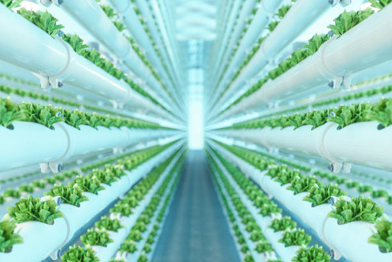
Resource Efficiency and Plant Productivity in Vertical Farming: A Comparative Analysis of Hydroponic and Aeroponic Systems
DOI:
https://doi.org/10.32469/aj.v24.60Abstract
As environmental and geographic limitations increasingly challenge traditional agriculture, vertical farming has emerged as a sustainable alternative for food production. This paper examines two major soilless cultivation systems used in vertical farming, hydroponics and aeroponics, and evaluates how differences in nutrient delivery and water potential influence plant physiological processes, including photosynthetic efficiency, growth rates, and resource-use efficiency. Plant physiology concepts including water transport, xylem and phloem function, and photosynthesis are explored to provide a foundation for understanding these systems. Hydroponic systems offer advantages in water conservation and scalability, while aeroponic systems improve oxygen availability and may enhance plant growth and resource efficiency. The role of LED lighting in optimizing photosynthetic activity and regulating plant growth is also discussed. While both systems provide substantial benefits compared to traditional agriculture, challenges, including energy demands, technological complexity, and implementation costs, remain significant limitations. Continued innovation in environmental control systems and energy efficiency may improve the long-term sustainability of vertical farming.